Akka, Palestine
Northern Palestine — History, Catastrophe, and the Promise of Return
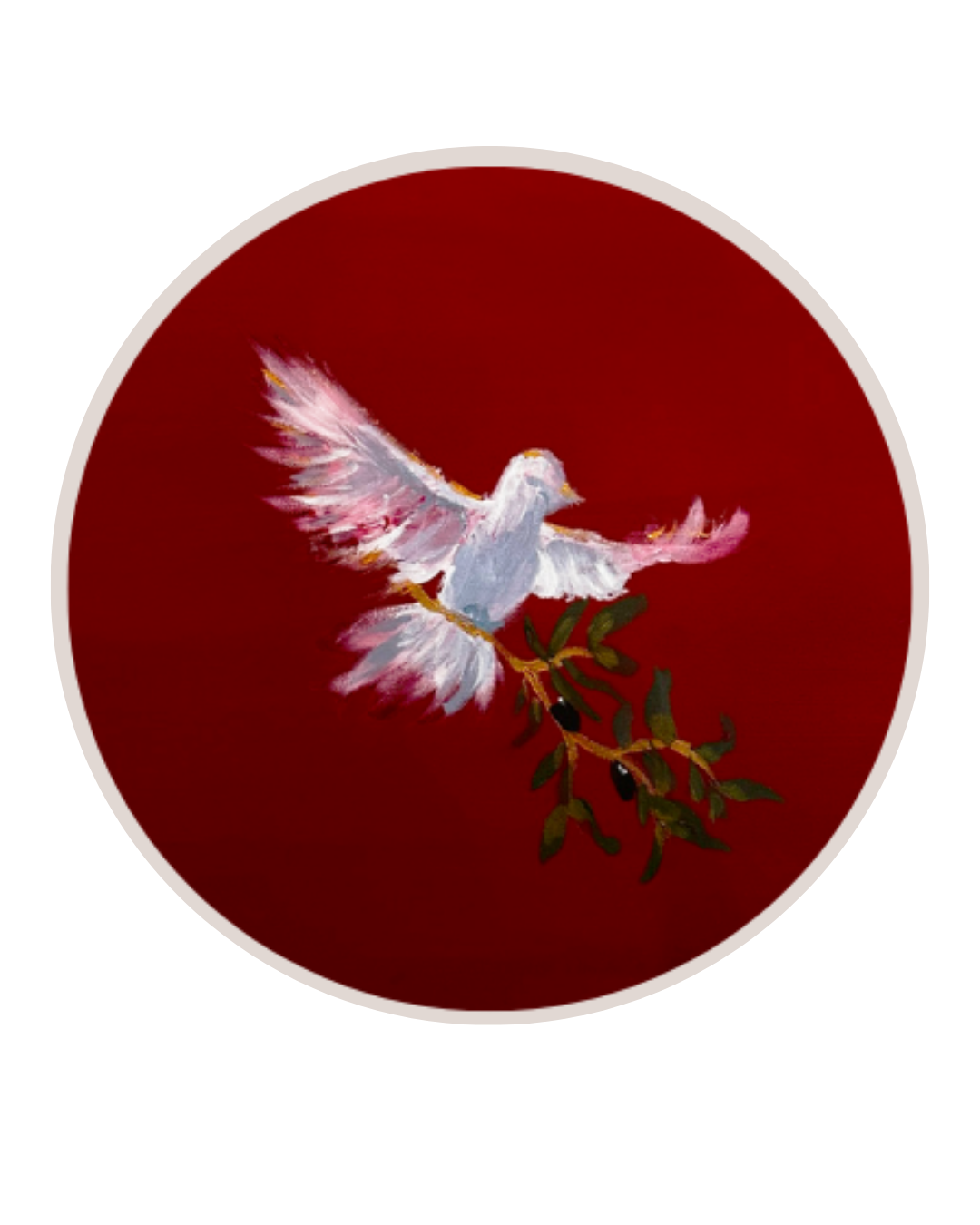
"The door was open, we entered, and on the table we saw pita bread and coffee, probably the tenants in the house were in the middle of breakfast, and on the floor there were tiny shoes of a baby, I guess they didn't have enough time to put his shoes on."
— Hava Keller, former Haganah member
History
Akka is the word deriving from Hot Sand, or 'Akk' meaning intense rubbing in Arabic. Akka, the 3rd oldest city in the world and a historic fishing village, is located on the Northern Coast of Palestine surrounded by its beautiful fort.
In the 12th and 13th centuries, Crusaders occupied and renamed it "St. John of Acre" and it became the leading port in the eastern Mediterranean. After the Crusaders were defeated in Akka in 1291, the city lost its importance until the mid-18th century, when Zahir al-Umar (1689–1775) became the autonomous Arab ruler of the Galilee.
As part of his project to make Northern Palestine autonomous from the Ottoman Empire, he restored Akka's former glory, making its port the main market for the Galilee and Damascus and fortifying its walls. Al Jazaar Mosque, painted with the Green Tomb, was built in 1781 by Ahhmad Jezzar Pasha, Umar's successor. These fortifications allowed Akka to successfully resist Napoleon's siege in 1799.
During the late Ottoman period, the Akka Clock Tower was built in the old city in 1906, above the Khan al Umdan which was built in 1784 as a lodge for travelers, merchants, and preachers.
During the British Mandate (1918–1948), Akka became known as an important economic and cultural center in Northern Palestine. Throughout this period, business flourished in different sectors: pottery, copper, textile work, and fishing.
Akka was also home to important Islamic and Christian religious schools, such as the Ahmadiyya and Terra Sancta, respectively. In the 1930s, part of the Akka fortress became a prison for the British to use to arrest and subdue Palestinians for participating in protests.
On June 17th, 1930, Fuad Hijazi, Ala Al-zeer, and Mohammad Khaleel Jamjom were executed by hanging by British authorities. Hundreds of Palestinians were later imprisoned for participating in the Buraq Uprising of 1936.
Catastrophe
April 1948, Zionists imposed a siege on Akka, guided by Plan Dalet including blocking of access routes by different means (ambushes, blowing bridges) but also cutting off electricity, water, and fuel supplies, and sabotaging the resupply process. The situation worsened with the influx of refugees from Haifa in late April. Akka became overcrowded and subject to shortages of vital services. Most people could not go to work because the roads were blocked, and crime rates soared. This led to a first wave of forced migration, mostly by wealthy people who managed to escape by car. People did not escape on foot, because they were afraid to cross the surrounding Israeli settlements.
After Haifa was occupied by Jewish militias on April 22, they became increasingly aggressive towards Akka, raiding the city on the 25th and 26th, using mortars and machineguns to strike fear, where the goal was to undermine the will of the Palestinian to reconquer Haifa. These attacks had a strong psychological effect, the thousands of refugees who had left Haifa and hoped they would be safe in Akka now had to flee again. Most moved to Lebanon, joined by Akka residents who also feared for their lives.
By early May 1948, almost all hope was lost. Akka's military forces barely managed to hold a defensive position, and fighters lost confidence in each other. The mayor fled to Lebanon on May 11, soon to be followed by the local militia commander. Haganah Jewish militia contaminated the city's water supply leading to outbreaks of malaria and typhus.
Operation Ben Ami that saw the occupation of the villages surrounding Akka and the road linking it to Lebanon in May 13–14 left the city under total siege. On May 16, the operational orders issued to the regiment tasked with conquering Akka stated explicitly:
"We have the city of Acre under siege for the fourth day. [...] The objective is to attack the city with the aim of killing the men and destroying property by burning and to subdue the city."
Due to the humanitarian crisis and lack of leadership, the Israeli forces met with little to no resistance when they began attacking the city on the night of May 16–17. According to former Haganah member, Terrorist Hava Keller, "the destruction of a water pipe by a Davidka mortar led the residents to believe that the Israeli army possessed nuclear weapons". Fear of being utterly destroyed, coupled with the already horrendous state of the city, made Akka surrender on the evening of May 17.
When the ceasefire was signed the next day, the Haganah took control of what was left of the city. They asked the residents to hand over their weapons, searched the houses and imposed a curfew. There was widespread looting, with Israeli soldiers taking furniture and clothing from Palestinian homes, and soon after Absentee Law took place, effectively making all homes, business, and structures Israeli Jewish Property.
Hava Keller recalls seeing Akka after it was emptied: "The door was open, we entered, and on the table we saw pita bread and coffee, probably the tenants in the house were in the middle of breakfast, and on the floor there were tiny shoes of a baby, I guess they didn't have enough time to put his shoes on".
Only 3,000 out of 30,000 Akkawis were able to remain.
May we return and rebuild.
Full Document
Having trouble viewing? Open the PDF directly.
Open in New TabKey Themes
- ·Ancient history of Akka and its strategic importance
- ·Zahir al-Umar and Northern Palestinian autonomy
- ·British Mandate period and resistance
- ·The siege and ethnic cleansing of 1948
- ·Cultural preservation and the promise of return