Nazareth, Palestine
Northern Palestine — An-Nasira, the Helper
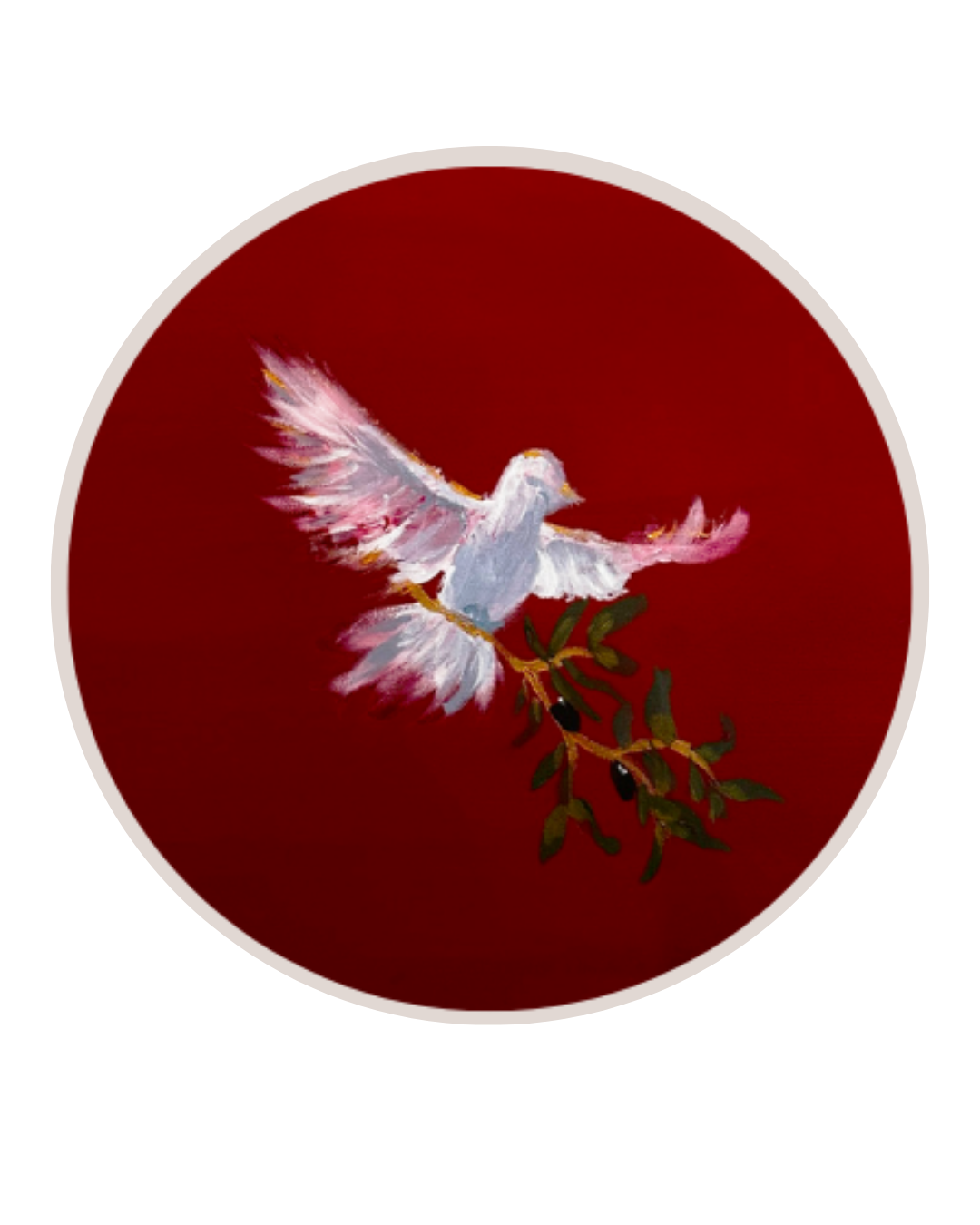
"For 78 years, the city of Nazareth, hometown of Jesus Christ, has faced pressure, discrimination, and economic hardship. Its Palestinian residents remain steadfast in preserving their heritage and await reunion with their exiled brothers and sisters. They are waiting for our return."
— Jerusalem Academy of the Arts
Origins
An-Nasira, meaning "the Helper," is where the Angel Gabriel announced to Mother Mary she would give birth to Jesus. Dating back to 2000 BC, Nazareth is located 18 miles southeast of Haifa and 15 miles west of the Sea of Galilee, nestled between the hills of Mount Tabor.
For centuries, Nazareth remained a small village, its significance primarily religious. The Church of the Annunciation, built over the grotto where tradition holds the Annunciation occurred, has been a site of Christian pilgrimage for millennia.
Zahir al-Umar and the Revival of Nazareth
The city's transformation began under Zahir al-Umar (1689–1775), the autonomous Arab ruler of the Galilee. As part of his campaign to unify Northern Palestine and make it autonomous from Ottoman control, Zahir invested in Nazareth's development, building infrastructure and encouraging commerce.
Under his rule, Nazareth grew from a small village to a thriving market center. Merchants from across the region came to trade, and the city's population grew significantly. Zahir's legacy is still visible in the Saraya (government house) that bears his name.
The Thriving City of 1914
By 1914, Nazareth had eight historic quarters, each with its own character and community. The city's souks (markets) were renowned throughout the region, offering everything from textiles and spices to metalwork and pottery. The city was a center of Palestinian Christian culture, home to churches, schools, and cultural institutions.
Operation Dekel and the Nakba
In July 1948, Israeli forces launched Operation Dekel to capture the Galilee. The surrounding villages—including the ancient village of Saffuriyah, one of the largest in Palestine—were destroyed and their populations expelled. Saffuriyah's residents were driven out at gunpoint, their homes demolished, their orchards uprooted.
Nazareth itself narrowly escaped destruction. According to various accounts, Israeli commander Ben Dunkelman refused orders to expel Nazareth's population, recognizing the international outcry that would follow the destruction of Christianity's holiest city. The city surrendered on July 16, 1948.
While Nazareth's buildings survived, its people faced decades of discrimination and oppression. The military government imposed on Palestinian citizens of Israel until 1966 restricted movement, economic activity, and political expression.
Nazareth Illit and Ongoing Discrimination
In 1957, Israel established "Nazareth Illit" (Upper Nazareth)—a Jewish-only city on confiscated Palestinian land overlooking Nazareth. The explicit purpose was to "Judaize" the Galilee and contain the Palestinian population. Nazareth Illit received government investment and infrastructure while Palestinian Nazareth was neglected.
This discriminatory pattern continues today. Palestinian citizens of Israel face systematic inequality in education, housing, employment, and political representation. Land confiscation, home demolitions, and denial of building permits restrict Palestinian communities while Jewish settlements expand.
78 Years of Steadfast Resistance
For 78 years, the city of Nazareth, hometown of Jesus Christ, has faced pressure, discrimination, and economic hardship. Its Palestinian residents remain steadfast in preserving their heritage—maintaining their language, their culture, their connection to the land.
The artists, institutions, and communities of Nazareth continue to create, to preserve, to resist. They await reunion with their exiled brothers and sisters—the refugees from Saffuriyah and the surrounding villages, scattered across Lebanon, Syria, Jordan, and the diaspora.
They are waiting for our return.
Full Document
Having trouble viewing? Open the PDF directly.
Open in New TabKey Themes
- ·Ancient origins and the Annunciation to Mother Mary
- ·Zahir al-Umar's campaign to unify Northern Palestine
- ·The eight historic quarters and thriving souks of 1914
- ·Operation Dekel and the destruction of Saffuriyah
- ·Israeli discriminatory policies and Nazareth Illit
- ·78 years of steadfast resistance and cultural preservation
Notable Artists
- ·Michael Khleifi (1950) — Founder of Contemporary Palestinian Cinema
- ·Hisham Zreiq (1968) — Pioneer of Computer Fine Art
- ·Dib Joubran (1876–1951) — Founder of Palestinian Oud-making
- ·Khalil al-Halabi (1889–1964) — Pioneer of religious icon painting
- ·Hanna al-Mismar (1880s–1950s) — Oldest Palestinian sculptor
- ·Michel Haddad (1919–1994) — Pioneer of modern Arab poetry
Notable Institutions to Visit
- ·Saffourieh Museum for Heritage and Return
- ·Liwan Culture Cafe
- ·NAZART Art Gallery & Atelier
- ·Basata Gallery & Cafe
- ·Zahir Al-Umar Saraya of Nazareth